If you’ve spent any time on social media, especially platforms like TikTok, Twitter, or Instagram, you’ve probably come across the word “simp”. It’s thrown around in comments, memes, and even casual conversations among friends. But what exactly does it mean? Is it an insult, a joke, or something more complicated? In this article, we’ll explore the term from its roots to its current role in online culture. Whether you’re trying to figure out if you’ve been called one or just curious about slang trends, understanding “simp” can give you insight into how people talk about relationships and behavior today. The word has evolved a lot over the years, and its usage can vary depending on the context. Sometimes it’s lighthearted teasing, other times it’s a sharper criticism. By the end, you’ll have a clear picture of what being a simp entails and why it’s become such a big part of internet lingo.
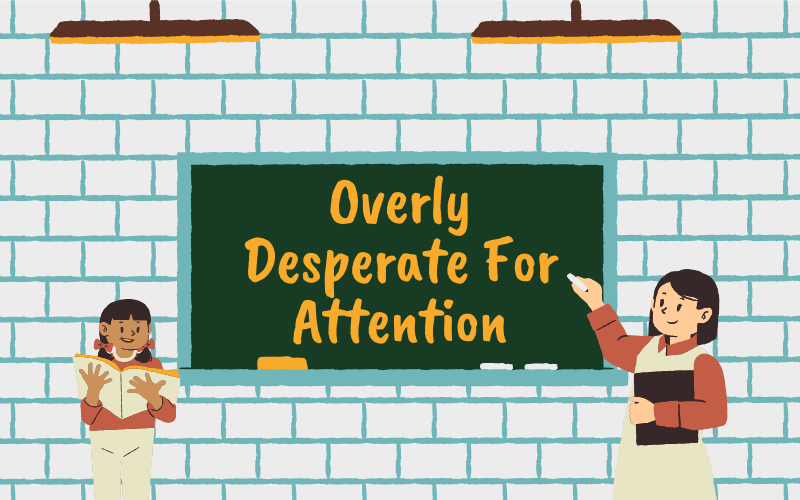
The term “simp” generally refers to someone who goes out of their way to show excessive attention, sympathy, or affection to another person, often in hopes of gaining romantic or sexual interest. It’s most commonly applied to men pursuing women, but it can apply to anyone. The key element is that the effort is one-sided – the simp is putting in a lot of work without getting much, if anything, in return. This could mean buying gifts, showering with compliments, or defending someone online even when it’s not warranted. In many cases, it’s seen as desperate or overly submissive behavior. For example, if a guy constantly likes every post from a girl he’s interested in, comments heart eyes on all her photos, and even sends her money through apps like Venmo without her asking, he might get labeled a simp by his friends. It’s not always negative; some people use it playfully to poke fun at crushes. But in harsher contexts, it implies a lack of self-respect or boundaries.
The Origins and Evolution of “Simp”
To really get what “simp” means today, you have to look at where it came from. The word didn’t just pop up on TikTok one day; it has a history that stretches back over a century. Originally, “simp” was short for “simpleton,” which meant someone who was foolish or easily tricked. You can find early uses in newspapers from the early 1900s, like a 1923 New York Times piece where a woman called unmarried men “simps” for being too scared or cheap to commit. It was a way to call someone naive or lacking smarts. By the mid-20th century, the term started shifting in meaning, especially in certain communities. In the 1980s, West Coast rappers began using it in hip-hop lyrics. Artists like Too Short and E-40 described a “simp” as someone who was soft or overly sympathetic, basically the opposite of a “pimp.” A pimp was seen as tough and in control, while a simp was weak and let others walk all over them. This contrast showed up in songs like Sir Mix-a-Lot’s “Baby Got Back” in 1992, where he says a lot of simps won’t like the track because it’s calling out their behavior. Even 2Pac referenced it in his music. Then, in 1999, the group Three 6 Mafia used “simp” in “Sippin’ on Some Syrup,” solidifying it as an antonym to pimp in rap culture. Some people later turned it into a backronym like “Sucker Idolizing Mediocre Pussy,” which adds a crude, modern twist but highlights its ties to relationships and attraction. As the internet grew in the 2000s, “simp” found a new home in online forums. It appeared on Urban Dictionary as early as 2003, defined as someone doing too much for a crush. By the 2010s, it spread to manosphere groups, incel communities, and MGTOW (Men Going Their Own Way) forums. There, it was lumped in with words like “beta” or “cuck,” criticizing men who were too nice to women. These spaces often viewed simping as a sign of weakness in a world where men should be dominant. The big boom came in 2019 when TikTok users started making videos about simping. Trends like “Simp Nation” turned it into a meme, and searches for the term doubled that year according to Google Trends. Platforms like Twitch and Twitter amplified it, with streamers banning simp emotes or users joking about simping for celebrities. Over time, the evolution has made “simp” less about being a fool and more about unbalanced affection. It’s gone from a niche rap term to a global slang word, influenced by changing ideas about masculinity and online interactions. Today, it’s not just an insult; some people reclaim it ironically, calling themselves simps for fun. This shift shows how language adapts to culture, picking up new layers as it spreads.
Related Post: What Does “Scotch Broth” Mean in Slang? A Complete Guide
How “Simp” is Used Today
In today’s world, “simp” is everywhere, from casual chats to viral memes. Its usage has become so widespread that it’s not limited to one group or platform. Most often, it’s tossed around as a playful jab or a straight-up insult in online spaces. For instance, on TikTok, you might see videos where someone acts out exaggerated simp behavior, like a guy pretending to buy expensive gifts for a girl who ignores him, with captions like “When you’re simping hard.” It’s a way to highlight that one-sided crush dynamic. On Twitter or X, people use it to call out celebrities or politicians – remember when Australian leader Bill Shorten told another not to “look like a simp” to Donald Trump? That shows how it applies beyond romance to any kind of fawning admiration. In everyday conversations, especially among younger people, “simp” describes actions like constantly defending someone online, even if they’re wrong, or spending money on OnlyFans creators without any personal connection. It’s often gendered, with guys being the main targets, but girls can be called simps too if they’re overly devoted to a guy who doesn’t care. The verb form, “simping,” is common too – “Stop simping for her, she’s not interested.” Context matters a lot; among friends, it might be teasing, like “You’re such a simp for liking all her posts.” But in toxic online communities, it’s more derogatory, shaming men for showing emotion. Rules like “No Simp September,” where people vow not to engage with women’s content or pay for it, turn it into a challenge. On streaming sites like Twitch, the word got so big that in 2020, they banned it along with “incel” and “virgin” to curb harassment. Streamers couldn’t use simp emotes anymore, sparking debates about free speech versus toxicity. Despite the ban, it didn’t disappear; it just evolved. Now, people use variations or emojis to imply it without saying it outright. In pop culture, it’s referenced in comics, like when Archie Comics warned fans not to call their character a simp, or in music where artists poke fun at the idea. Overall, modern usage reflects a mix of humor, criticism, and self-awareness. It’s a lens for examining how we handle attraction and respect in relationships. As social norms change, “simp” might soften or shift, but for now, it’s a staple in how we talk about over-the-top devotion.
Examples of Simping in Real Life and Online
Seeing “simp” in action helps clarify what it really looks like. Let’s start with online examples, since that’s where the term thrives. On Instagram, imagine a guy who comments fire emojis and “You’re stunning” on every post from a girl he likes, even old ones from years ago. If she never responds, his friends might text him, “Dude, that’s simp behavior.” Or on Twitch, a viewer donates hundreds of dollars to a female streamer, hoping for a shoutout or more, while she thanks him generically – classic simping. TikTok is full of skits: one popular trend shows a boy carrying a girl’s books, paying for her meals, and listening to her complain about other guys, ending with her friend-zoning him. The caption? “Simp alert.” These examples highlight the desperation angle. In real life, it shows up in everyday situations too. Think of a coworker who always covers shifts for a female colleague he’s crushing on, even when it messes up his plans, and she barely acknowledges it. Or a guy at a party who spends the whole night fetching drinks and laughing at every joke from a girl who’s clearly not interested, ignoring his own friends. It’s not just romantic; fans simping for celebrities is common. Like those who buy merch, attend every concert, and defend a pop star online no matter what scandal hits – “I’m simping for Taylor Swift, fight me.” Politically, supporters who blindly back a leader, excusing flaws, get called simps too. Remember the online buzz when people said fans were simping for politicians during elections? Another angle: self-aware simping. Some guys post memes like “Me simping over my crush at 3 AM,” owning it humorously. But negative examples include when it turns creepy, like stalking social media or sending unwanted gifts. That’s where it crosses from funny to concerning. In chats, phrases like “You’re simping us” might come from girls teasing a boy who’s too nice in a group. Or in gaming communities, accusing someone of simping if they let a female player win on purpose. These scenarios show how “simp” captures a range of behaviors, from harmless crushes to problematic obsession. Recognizing them can help people set better boundaries in their interactions.
Related Post: What Does TTYL Mean? History, Origins and Examples
The Cultural Impact and Controversies Surrounding “Simp”
The word “simp” has made a big splash in culture, sparking debates about gender, kindness, and online behavior. On one hand, it’s influenced how we view relationships. In a time when toxic masculinity is being called out, “simp” sometimes reinforces old ideas by mocking men for being emotional or supportive. Critics argue it discourages genuine kindness, turning basic respect into something shameful. For example, articles in Men’s Health have called out its use as “messed up,” saying it labels guys as entitled for expecting something in return for niceness. The New York Times has described it as a misogynist insult, uncomfortable with men who support gender equality. In anti-feminist corners, it’s a tool to bash “beta” males, but elsewhere, it’s seen as scapegoating real issues like emotional manipulation. The term’s impact shows in trends like “Simp Nation” on TikTok, where millions of videos normalize or satirize it, shaping how Gen Z talks about dating. It’s even entered politics and media, with figures using it to criticize alliances or fanbases. But controversies abound. The Twitch ban in 2020 highlighted tensions: while aimed at reducing harassment, it faced backlash for inconsistency – why ban “simp” but not other slurs? Users argued it was often just banter. Broader critiques point to how “simp” can promote cynicism in relationships, making people wary of showing affection. Yet, some see positives: it calls out unbalanced dynamics where one person exploits another’s feelings. In therapy circles, experts like those quoted in CNN pieces note it’s evolving, sometimes used playfully without harm. For parents, it’s a window into teen slang, prompting talks about bullying. Culturally, it’s tied to the rise of e-girls and online sex work, where paying for attention gets labeled simping. This ties into bigger discussions about capitalism and relationships in digital spaces. Overall, “simp” reflects society’s mixed feelings about vulnerability. It can empower by highlighting red flags but also hurt by stigmatizing care. As it spreads, its controversies keep it relevant, forcing us to question what healthy devotion looks like.
Related Post: What Does Bop Mean? A Complete Guide to Its Various Definitions
Conclusion
So, after all this, is being a simp a bad thing? It depends on how you look at it. At its core, the term points to imbalance – giving too much without getting back. If that’s leading to self-neglect or exploitation, yeah, it might be unhealthy. But if it’s just showing genuine care in a mutual relationship, that’s not simping; that’s being a good partner or friend. The bad rep comes from contexts where it’s used to shame vulnerability, especially for men. In a healthier light, owning the label can flip the script: some people say, “I’m a simp and proud,” turning it into a badge for emotional openness. Ultimately, the key is boundaries. Ask yourself: Am I doing this for approval, or because it feels right? If it’s the former, it might be time to step back. The term’s popularity shows how slang captures cultural shifts, from rap roots to meme status. Whether you avoid it or embrace it, understanding “simp” helps navigate modern interactions. In the end, respect yourself first – that’s the real anti-simp move.
ALSO VIEW: MEANZHUB.COM