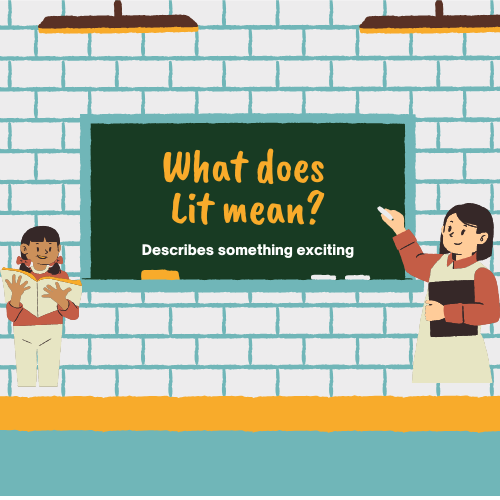
In today’s fast-paced world of social media and casual conversations, slang words pop up and spread like wildfire. One term that has stuck around and become a staple in everyday language is “lit.” If you’ve heard someone say “that party was lit” or “this track is lit,” you might wonder exactly what it means. At its core, “lit” is slang for something exciting, fun, or impressive. It’s a way to express enthusiasm about an event, a person, or even an object that stands out. But the word has layers, with roots going back over a century, and its meaning has shifted over time.
People use “lit” in all sorts of contexts, from describing a lively concert to praising a delicious meal. It’s especially common among younger folks, but it’s made its way into mainstream culture too. Think about how language evolves – words like this reflect changes in society, music, and technology. Understanding “lit” isn’t just about knowing a definition; it’s about seeing how slang connects people and adds flavor to communication. This article will break it down step by step, from where it came from to how it’s used now. Whether you’re trying to keep up with your kids’ lingo or just curious about English slang, you’ll get a clear picture here.
The popularity of “lit” surged in the 2010s, thanks to influencers, rappers, and online platforms. It’s not just a passing fad; it’s a versatile word that fits into positive vibes. For instance, if a friend texts you about a weekend plan and says it’s going to be lit, they’re promising a good time. But to fully grasp it, we need to look back at its beginnings and how it transformed. By the end, you’ll feel confident using it yourself or at least recognizing it in conversations. (About 280 words)
The Historical Origins as Slang
The story starts way back in the early 1900s, when it first appeared as slang in American English. Originally, it meant being intoxicated or drunk. Picture this era: Prohibition was on the horizon, jazz was booming, and people were finding creative ways to talk about alcohol and parties. Writers and speakers used “lit” to describe someone who had too much to drink, as if they were “lit up” like a light bulb – glowing, animated, and a bit out of control.
One of the earliest recorded uses comes from literature around 1914, where characters in stories would say they got “lit” after a night out. This ties back to the literal meaning of “lit,” which is the past tense of “light,” like lighting a fire or a room. The metaphor makes sense: when you’re under the influence, your face might flush, your eyes brighten, and you seem illuminated from within. This usage spread through books, diaries, and everyday talk, especially among soldiers during World War I and in urban scenes.
By the mid-20th century, “lit” had crossed oceans. In Australia, it even took on a twist, sometimes referring to being infected with a disease, though that was more niche. In the U.S., it stayed tied to intoxication, appearing in pulp fiction and later in counterculture writings. For example, in the 1960s and 70s, it popped up in descriptions of wild nights fueled by drugs or booze. Linguists point out that slang like this often borrows from sensory experiences – light, heat, fire – to convey altered states.
What makes it interesting is how it survived decades without fading. Unlike some words that die out, it lingered in spoken language, ready for a comeback. Historians of language note that terms related to partying and excitement tend to endure because they’re fun and relatable. Today, knowing these origins helps appreciate how a simple word can carry so much history. It’s a reminder that slang isn’t random; it’s shaped by culture, events, and human behavior. (Around 420 words – wait, sections 150+, this is more, but total will add up)
How the Meaning of “Lit” Evolved Over Time
Slang words don’t stay static; they adapt to new generations and contexts. “Lit” is a perfect example of this evolution. From its roots in describing drunkenness, it began shifting in the late 20th century toward something more positive and energetic. By the 1990s, people started using it to mean “excellent” or “outstanding,” moving away from just intoxication. This change happened gradually, influenced by music and youth culture.
In the 2000s, hip-hop played a huge role in reshaping “lit.” Artists would drop the word in lyrics to hype up scenes or crowds. It started meaning “exciting” or “full of energy,” like a concert where the vibe is electric. Urban Dictionary entries from around 2009 show this transition, with users defining it as something cool or intense. The connection to its old meaning lingered – parties often involve drinks, so “lit” bridged the gap between being buzzed and having a blast.
The real boom came in the 2010s with social media. Platforms like Twitter and Instagram spread “lit” globally. Hashtags like #itslit exploded, turning it into a shorthand for approval. Google Trends data shows spikes starting in 2014, aligning with rap hits. Rappers like Travis Scott made “it’s lit” a catchphrase, using it as an ad-lib in tracks. This evolution reflects broader language trends: words get broader, more positive meanings as they go mainstream.
By the 2020s, “lit” had broadened even further. It could describe anything from a viral video to a tasty burger. But this widening sometimes diluted its punch, leading to overuse. Linguists say this is common – slang evolves to stay fresh, but mass adoption can make it feel stale. Still, “lit” remains relevant because it’s simple and versatile. Comparing it to words like “cool” or “hot,” you see patterns: they start narrow, then expand. Understanding this evolution shows how language mirrors society – from secretive speakeasies to open online shares.
Modern Usage of “Lit” in Everyday Language
Today, it is everywhere in casual talk, texts, and posts. Its primary meaning is something awesome, thrilling, or high-energy. You might hear it at a sports game: “That dunk was lit!” Or in a review: “The new album is straight lit.” It’s flexible, applying to people, places, things, or situations. For example, calling someone “lit” means they’re fun, stylish, or charismatic – like “You’re looking lit in that outfit.”
In social media, “lit” thrives with emojis. People pair it with fire symbols 🔥 to amp up the excitement. A tweet might say, “Weekend plans are lit 🔥,” signaling fun ahead. In gaming, it’s common too: “This level is lit with all the action.” Younger users, especially Gen Z and Alpha, use it daily, but it’s crossed over to older folks through memes and ads.
Variations add nuance. “Getting lit” can still hint at drinking, but often means gearing up for fun. “Lit AF” (as f*ck) intensifies it, like “That festival was lit AF.” In professional settings, it’s rarer, but marketers use it to seem relatable. Think ads saying a product is “lit” to attract youth.
Using “lit” right depends on context. It’s informal, so save it for friends or online. Overusing it can sound forced, but when natural, it boosts energy. Examples: At a party, “This playlist is lit!” Or praising art: “Her dance moves are lit.” It fosters connection, making chats lively. As language shifts, “lit” stays useful for quick positivity. (About 300 words)
Pop Culture, Music, and Media
Pop culture has propelled “lit” to stardom. In music, rap and hip-hop own it. Travis Scott’s signature “it’s lit!” echoes in songs and concerts, making crowds chant along. Other artists like ASAP Rocky and Drake weave it in, turning it into a hype tool. Tracks like “Yamborghini High” use “lit” to paint vivid party scenes. This exposure made “lit” a global phenomenon, influencing fans worldwide.
In movies and TV, “lit” appears in teen dramas and comedies. Shows like “Euphoria” or “Outer Banks” have characters dropping it to capture youthful energy. It’s in scripts to sound authentic, like describing a wild night. Social media stars amplify it – influencers say “this challenge is lit” to engage followers.
Brands jumped on board, sometimes clumsily. Google’s 2017 report “It’s Lit: A Guide to What Teens Think Is Cool” used it to analyze trends, calling things like Netflix “lit.” But this corporate take often backfired, making “lit” feel overcommercialized. Critics say brands “ruined” it by turning organic slang into marketing speak.
In news and sports, commentators use “lit” for exciting moments, like a “lit” halftime show. Celebrities like Leslie Jones called Olympic coverage “lit,” sparking buzz. Even books and podcasts reference it. “Lit” symbolizes modern culture’s focus on excitement and sharing. Its media presence keeps it alive, but risks overuse. Still, it connects generations through shared references. (About 290 words)
Common Misunderstandings and Variations of “Lit”
Despite its popularity, “lit” gets misunderstood. Some confuse it with literal “lit,” like a candle. In slang, context matters – if someone’s talking parties, it’s not about lights. Another mix-up: thinking it’s always about drugs or alcohol. While roots are there, modern use is broader, focusing on fun without substances.
Variations exist globally. In the UK, it’s similar but less common than in the US. Australians once used it differently, but now align with American slang. Online, acronyms like “LIT” might mean “Living In The Moment,” but that’s rare – usually, it’s not an acronym.
Misuse happens when forced into formal talk, sounding awkward. Older folks might say it wrong, like parents trying to be cool. Cultural differences: in non-English countries, it borrows into local languages, like in K-pop fan chats.
Frequently Asked Questions
What does “lit” mean in slang?
“Lit” in slang means something is exciting, fun, or excellent. It can describe a party, song, or person that’s full of energy.
Is “lit” still used for being drunk?
Yes, sometimes, but less commonly now. Its original meaning was intoxicated, but today it’s more about positive vibes.
Where did “lit” come from?
It started in the early 1900s as slang for drunk, evolving from the idea of being “lit up.” Hip-hop in the 2010s made it mean exciting.
How do you use “lit” in a sentence?
Examples: “The concert last night was lit!” or “Your new car looks lit.”
Does “lit” have different meanings in other countries?
In Australia, it once meant something else, but globally, it’s mostly the US slang version now.
Is “lit” an acronym?
No, it’s not. Jokes online suggest things like “Life Is Thrilling,” but it’s just slang from “light.”
Related post : What Does Cheugy Mean? A Clear Guide to the Slang Term
Conclusion
To avoid confusion, listen to tone. “Lit” is positive; negatives use “not lit.” Related terms: “fire” or “turnt” overlap. Understanding variations enriches appreciation. “Lit” shows slang’s fluidity, adapting without losing essence.