In today’s connected world, scrolling through social media feels like second nature. One minute you’re liking a friend’s post, and the next, you’re pausing at a comment that reads, “Love your new PFP!” If you’ve ever wondered what PFP means in text or online chats, you’re not alone. This acronym pops up everywhere—from casual Instagram DMs to heated Discord debates. It’s one of those shorthand terms that makes digital conversations flow faster, but it can trip up newcomers or anyone dipping back into the scene after a break.
At its heart, PFP stands for “profile picture,” that small but mighty image that represents you on platforms like TikTok, Twitter (now X), or Snapchat. It’s more than just a photo; it’s your online face, the first thing people see when they land on your profile. Think about it: in a sea of usernames and bios, your PFP is the visual hook that says, “This is me.” But like many slang terms, PFP has layers. It might show up in gaming lobbies asking for “proof” of a wild story, or even in professional contexts with a twist. Understanding it helps you join in without missing a beat, whether you’re building a following or just chatting with friends.
This guide breaks it down step by step. We’ll start with the basics, explore how it plays out across apps, touch on less common uses, and end with practical advice for making your own PFP stand out. By the end, you’ll spot PFP references like an old pro and feel more at home in those endless feeds. After all, social media thrives on these little connections, and knowing the lingo keeps you right in the mix.
Unpacking the Main Meaning: PFP as Profile Picture
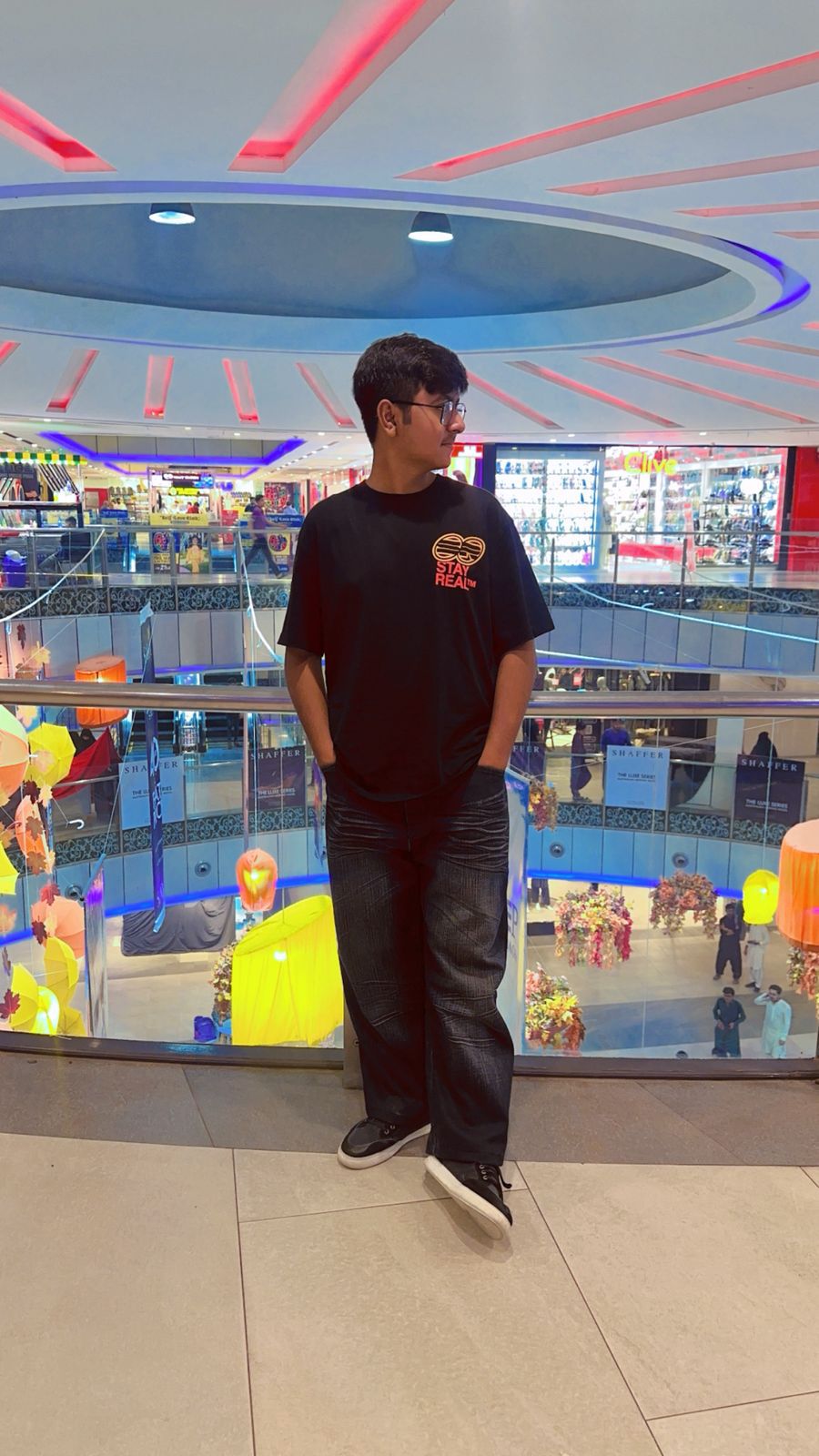
When someone drops “PFP” in a message, nine times out of ten, they’re talking about your profile picture. It’s that circular or square snapshot staring back at you from every app on your phone—the one you agonized over last month because it just *had* to capture your vibe perfectly. In the early days of social media, folks said “profile photo” or “avatar,” but as typing got lazier (in the best way), PFP stuck. It’s efficient, universal, and rolls off the keyboard without a second thought.
Why does it matter so much? Your PFP is your digital handshake. It sets the tone before anyone reads your words. A goofy selfie might scream “fun-loving pal,” while a sleek headshot whispers “ready for business.” I’ve seen it firsthand: a buddy switched his from a blurry vacation pic to a crisp one with his dog, and suddenly, his follower count jumped. People engage more when they feel like they “know” you through that image. Platforms lean into this too—Instagram’s algorithm even favors profiles with eye-catching PFPs in search results.
But let’s get real about how it’s used day-to-day. You’ll catch it in compliments like, “Your PFP is giving major artist energy—where’s that taken?” or questions such as, “Wait, is that celeb in your PFP a filter or what?” It’s casual, almost affectionate, especially among Gen Z and millennials who treat social media like an extension of real life. On the flip side, it can spark trends. Remember those viral “PFP challenges” where everyone swaps to the same meme face for a week? They build community, turning a simple acronym into a shared inside joke.
Of course, not every PFP nails it. Some folks default to defaults (looking at you, egghead on Twitter), which can make profiles feel abandoned. The key is intentionality—pick something that reflects *you*, not what you think others want. Over time, as apps evolve, PFPs might incorporate AR filters or even short clips, but the core stays the same: a quick visual ID in a crowded online space. Mastering PFP lingo just makes navigating it all smoother, turning potential confusion into easy rapport.
How PFP Shows Up Across Your Favorite Platforms
Social media isn’t one-size-fits-all, and neither is PFP usage. What flies on TikTok might flop on LinkedIn, so tuning into platform quirks keeps your interactions spot-on. Take Instagram: here, PFP reigns supreme in the aesthetics game. Users obsess over curated shots—think golden-hour selfies or minimalist line art—that match their feed’s color palette. You’ll see comments like, “Obsessed with your PFP glow-up!” under stories, or DMs swapping PFP ideas for brand collabs. It’s all about that polished, aspirational feel, where a strong PFP can boost DM slides by making you instantly recognizable in crowded inboxes.
Shift to TikTok, and PFP takes on a bolder, trendier edge. With its fast-scroll vibe, PFPs need to grab attention in a split second—vibrant colors, expressive faces, or pop culture nods work best. “PFP cults” thrive here, groups adopting the same image to stan a K-pop idol or meme. I’ve joined a few; it’s hilarious watching thousands rock identical cartoon eyes while dueting dances. Usage spikes in comments: “Your PFP slays this sound!” ties the image directly to content, blending visual and video worlds seamlessly.
Over on Twitter (X), PFP gets edgier, often laced with humor or activism. Avatars here are meme goldmines—think distorted faces from viral clips or protest symbols. People reference them constantly: “Based on your PFP, you *must* hate pineapple on pizza.” It’s conversational fuel, especially in threads where a witty PFP sparks quote-tweets. Discord channels echo this but amp up the niche factor; gamers and fandoms love anime PFPs or custom edits, yelling “Sick PFP, bro!” mid-raid. Even Reddit’s subreddits nod to it, with flairs tying PFPs to inside jokes.
Snapchat keeps it personal with Bitmoji integrations, where PFPs become animated extensions of yourself—perfect for quick snaps saying, “Update that PFP, it’s still your awkward phase!” Across all, the tone stays light, but context rules: keep it pro on LinkedIn, wild on Twitch. Each platform’s PFP culture reflects its crowd, making the acronym a bridge for tailored chats. Spotting these nuances? It turns passive scrolling into active, fun engagement.
Exploring Alternative Takes on PFP
While profile picture dominates, PFP isn’t locked into one definition. Context is king, and in certain corners of the internet, it bends to fit. The runner-up? “Picture for proof.” This one’s a skeptic’s best friend, popping up when someone’s story sounds too good (or ridiculous) to swallow whole. Picture texting a group chat: “Just spotted a unicorn in my backyard.” Reply: “PFP or it didn’t happen.” It’s playful shade, demanding visual backup to keep tall tales in check. Gamers love it post-win—”LFG, PFP that boss kill!”—turning doubt into hype.
Diving deeper, this proof angle ties into “pics or it didn’t happen” (POIDH), an older meme that’s PFP’s spirit animal. Both thrive in casual verification, from dating apps (“Show me that sunset view—PFP?”) to Twitter beefs. It’s not always confrontational; between couples, it flirts, like challenging a “best outfit ever” claim with a teasing PFP request. But overuse can sour—nobody likes feeling grilled for fun anecdotes.
Outside slang, PFP sneaks into acronyms elsewhere. In business, “pay for performance” models reward results over hours, common in sales gigs where bonuses hinge on metrics. Healthcare nods to it too, tying reimbursements to patient outcomes, though critics say it oversimplifies care. Then there’s “Patellofemoral Pain Syndrome,” a knee woe hitting runners hard—achy fronts from overuse or bad form. Runners’ forums might abbreviate it casually, but it’s worlds from social scrolls.
Geopolitics claims a slice with “Partnership for Peace,” NATO’s 1990s outreach to build ties in unstable regions through joint exercises and aid. It’s formal, far from emoji-laden chats. Crypto fans remix PFP via NFTs, where profile pics become tradable art— “Dropped my PFP collection, who’s buying?” blurs slang with commerce.
These variants show PFP’s flexibility, but clues like hashtags or emojis signal the intent. In text-heavy spots, proof wins; visuals scream profile. Mixing them up rarely tanks a convo—folks clarify quick—but knowing the range sharpens your read on online vibes, from banter to boardrooms.
Smart Strategies for Picking and Perfecting Your PFP
Nailing your PFP isn’t rocket science, but it pays off big in how others perceive you online. Start with clarity: whatever image you choose, it has to pop at thumbnail size. Blurry shots or cluttered backgrounds? Instant nope—they make you look sloppy or hard to spot in feeds. Aim for high-res, well-lit pics where your face (or logo, if it’s a brand) takes center stage. Natural light works wonders; I’ve swapped midday selfies for window-glow ones and watched likes climb.
Tailor it to your goals. For personal accounts, lean into personality—a candid laugh or hobby snap builds warmth. Pros on LinkedIn swear by headshots: suit up, smile subtly, neutral backdrop. It screams competence without trying too hard. Brands? Consistent logos across apps foster trust; think Nike’s swoosh evolving but always iconic. Tools like Canva make tweaks easy—crop, filter lightly, export in the right specs (say, 400×400 for Twitter).
Trends can spice things up, but don’t chase every fad. Minimalist black-and-whites feel timeless; AI-generated portraits add flair without selfies. Just ensure it’s *you*—authenticity trumps perfection. Test it: upload, step back, ask a friend, “Does this vibe?” Engagement dips with mismatches, like a goth PFP on a sunny travel page.
Privacy matters too. Oversharing locations in backgrounds invites creeps; opt for indoors or edits. Update seasonally—holiday vibes or post-glow-up keeps things fresh without overhauling. And etiquette: respect copyrights; no celeb face-swaps unless it’s parody. Done right, your PFP boosts connections, from new followers to collab invites. It’s small effort for outsized impact, turning profiles from forgettable to magnetic. Experiment, iterate, and watch your online world light up.
For More : What Does MBN Mean? Unpacking This Everyday Texting Acronym
Conclusion
PFP might seem like a tiny acronym, but it’s a gateway to smoother, more meaningful online hangs. From its roots as shorthand for profile picture to those cheeky “proof” calls, it captures how we blend visuals and words in chats. Mastering it means fewer awkward pauses and more genuine exchanges—whether hyping a friend’s glow-up on Insta or verifying a game brag on Discord.
The beauty? It’s adaptable. Platforms will keep shifting—maybe holographic PFPs next?—but the essence holds: your image as your intro. So next time you see “Cute PFP!” hit reply with confidence. Dive in, tweak yours, and own that space. Social media’s better when you’re fluent in its quirks.