
When scrolling through social media, chatting with friends, or playing online games, you’ve probably heard someone described as salty. But what exactly does this slang term mean? In everyday language, salty is used to describe someone who is upset, irritated, or bitter — especially over something small or trivial. It’s a casual way to call out someone for being annoyed without sounding harsh or rude. This expression has become widespread in internet culture, from TikTok comments and tweets to gaming chats and meme communities.
Originally, salty simply referred to something containing salt — like salty snacks or seawater. Over time, its meaning shifted into slang, where it now captures a mood or emotional state rather than a physical quality. Most often, it implies someone isn’t handling a disappointing situation gracefully, and the term is usually used in a playful or mocking way among peers.
In this guide, we’ll break down the origins of the word, how it’s used today, examples in real conversations, how it differs from similar slang, and answers to common questions about salty. By the end, you’ll know exactly what people mean when they call someone salty — and how to use it yourself without sounding confusing or out of touch.
Origins of Salty in Slang
At its core, salty started out with a very literal meaning. The word comes from salt, a mineral used for flavoring and preserving food. But it didn’t take long for this term to make its way into idioms and expressions. One early non-literal use dates back to maritime language: sailors who spent long periods at sea were called salty because of their exposure to salty ocean air and a rough lifestyle. These sailors were often seen as tough, weathered, and a bit sharp-tongued.
Over decades, this evolved into the slang meaning we use today. By the early 20th century, salty had come to describe someone who was bitter or irritable. In slang form, it captures a reaction to disappointment, frustration, or unfair treatment — often with a tinge of overreaction. The meaning grew even stronger through online communities and gaming culture, where rivalries and competitive losses sparked plenty of annoyed reactions.
In that sense, someone being salty isn’t just angry — they’re upset in a way that suggests they can’t let go of their frustration easily. It paints a picture of someone who’s not just annoyed, but dwelling on the feeling, sometimes humorously so.
What Salty Means Today
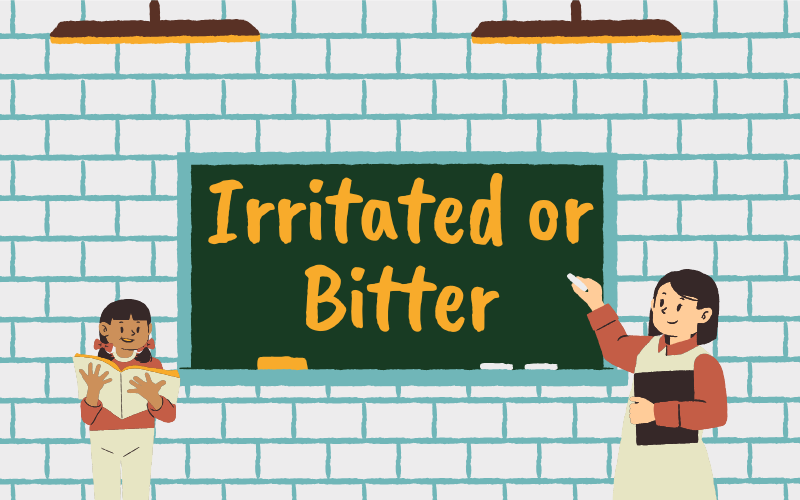
In modern slang, calling someone salty means they’re irritated, bitter, or holding a grudge — usually over something that doesn’t seem very serious. It’s a way to tease someone for being overly emotional about a small inconvenience or loss. For example, if a friend gets upset because they lost a game or didn’t get their favorite snack, someone might jokingly say, “Why are you so salty about it?” to point out their exaggerated reaction.
This usage is especially popular in online gaming spaces, where players react quickly to wins and losses. A player who complains loudly after losing a match might be labeled salty by others in the chat. But the term isn’t limited to games — it can apply to texting, social media posts, comments on videos, and any situation where someone seems unusually bothered by something minor.
It’s important to note that salty typically suggests a reaction that’s more playful or exaggerated than genuinely angry. It’s not usually used for serious emotional distress, but rather for those petty, relatable moments of frustration we all experience.
Related Post: What Does DTTM Mean? In Text, Chats, and Beyond 😤
Examples of Salty in Conversations
Understanding slang often comes down to seeing it in real contexts. Here are some everyday examples of how salty might be used in conversation:
- After a game loss: “Bro, you’re still salty about losing last night?”
- Over a tiny disagreement: “She’s salty because I took the last slice of pizza.”
- Responding to a joke: “Stop being salty, it was just a meme.”
- Friendly teasing: “You’re salty and you know it!”
In each case, the word salty emphasizes that the person is overreacting in a way that’s more amusing than serious. These examples show how the slang adds flavor to casual speech, making it clear someone is feeling a petty kind of upset.
Using salty in this way doesn’t usually carry strong offense; it’s often intended as gentle ribbing rather than a harsh insult. That said, tone and relationship matter — using it with someone who’s genuinely upset might come off as dismissive.
How Salty Differs From Other Slang
While salty often goes hand-in-hand with words like angry or upset, it’s distinct in how it frames that feeling. Terms like mad or pissed suggest stronger, more serious anger. Salty, on the other hand, leans into the petty or trivial side of frustration — the kind that makes you roll your eyes rather than worry.
Compare it with savage, another slang term used to describe bold or harsh behavior. Being called savage is usually a compliment — it means someone was sharp or impressive in their reaction. But being called salty isn’t about being cool or fierce; it’s about being needlessly annoyed.
Similarly, triggered is slang for being upset by something that strikes a personal nerve, often used humorously or exaggeratedly. While triggered can sometimes hint at deeper emotional responses, salty stays firmly in the realm of minor grievances and light teasing.
Related Post: Rabe Meaning in 2026? Examples, Origins, Usage & Everything😎
When Salty Can Be an Insult
Although salty is often playful, context matters. If someone uses it to dismiss another person’s genuine feelings, it can come off as rude or belittling. Calling someone salty right after they express real frustration — like bad news or emotional hurt — might suggest you’re not taking their feelings seriously.
In most friendly contexts, though, salty stays light-hearted. It’s similar to saying chill out or don’t take it so hard. Because it’s not a strong insult, it’s widely used among friends, gamers, and social media users to tease one another after small setbacks or losses.
FAQs About Salty Slang
Is salty rude?
Not usually. It’s often playful, but tone and situation matter. If used to dismiss serious feelings, it can seem insensitive.
Can salty describe something positive?
Rarely in slang. It mainly describes irritation or bitterness, though in old naval usage it could mean experienced or tough.
Where do people use salty most?
You’ll hear it a lot in gaming chat, social media comments, and casual conversations among friends.
Related post: What Does RN Mean in Text? A Complete Guide
Conclusion
Learning slang like salty helps you understand how language shifts with culture and communication trends. Now you can spot when someone’s salty and use the term naturally in conversation!
ALSO VIEW: MEANZHUB.COM