
Introduction to IONK
If you’ve been scrolling through texts, Snapchat stories, or TikTok comments lately, chances are you’ve spotted “ionk” popping up everywhere. It’s one of those slang terms that feels super casual yet confusing at first if you’re not in the loop. IONK is basically a shorthand way people say they don’t know something, and it’s taken off big time in online chats, especially among teens and young adults.
This term shows up a lot in quick back-and-forth messages where nobody wants to type out full sentences. Instead of saying “I don’t know,” which can feel a bit stiff, folks go with ionk to keep things light and fun. It’s part of the bigger trend where texting slang gets shorter and more phonetic, sounding just like how we speak out loud. You’ll see it in group chats, DMs, and even captions under funny videos.
Knowing what ionk means helps you stay current with how people communicate today. It bridges gaps between generations too—parents might scratch their heads, but once you get it, conversations flow easier. In the rest of this article, we’ll break down its exact meaning, where it came from, how to use it right, and plenty of examples so you can spot it or drop it yourself without missing a beat.
The Definition of IONK
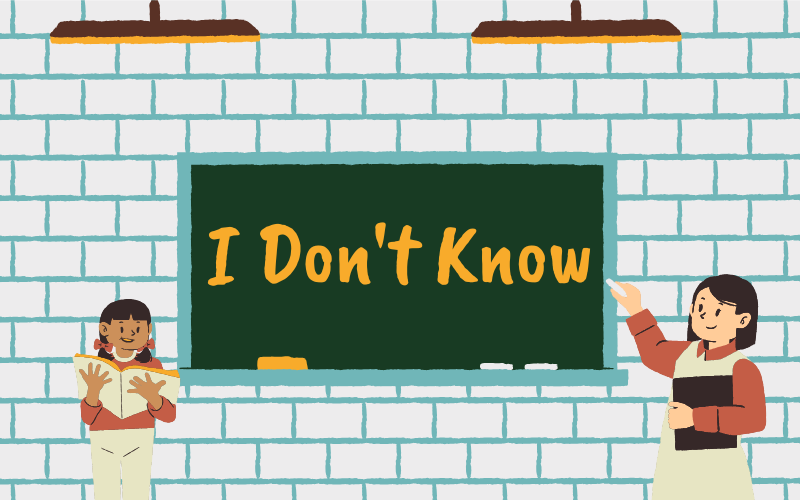
IONK simply stands for “I don’t know.” It’s a slang abbreviation that people use in text messages and online to express uncertainty or when they have no clue about something. Urban Dictionary and tons of online sources confirm this—it’s another fun twist on the classic “IDK.”
What makes ionk different is how it sounds when you read it aloud. It mimics the way some people say “I don’t know” quickly, blending the words together naturally. You’ll often see it written in lowercase with no punctuation, like “ionk lol” or just “ionk.” This phonetic style is common in modern slang, making texts feel more like talking face-to-face.
Unlike some acronyms that change meaning depending on context, ionk stays pretty consistent. It’s almost always about admitting you lack information or an opinion. For instance, if a friend asks “what time does the party start?” and you reply “ionk,” you’re saying you have no idea. It’s straightforward, saves time, and adds a chill vibe to the chat. As texting evolves, terms like this keep things fresh and relatable.
Related Post: What Does “TBH” Mean in Text? 🤔
Origins and History of IONK
Slang like ionk didn’t appear overnight. It grew out of the same internet culture that gave us IDK back in the early 2000s with AIM and early texting. As phones got smarter and apps like Snapchat and TikTok exploded, people started experimenting with phonetic spellings to make messages quicker and more expressive.
IONK likely started gaining traction around the mid-2010s to early 2020s, especially on platforms where Gen Z hangs out. Urban Dictionary entries date back several years, with users noting it as a cooler alternative to IDK. Some say it feels less blunt—IDK can come off dismissive, while ionk has a softer, more playful tone in certain circles.
TikTok videos explaining “what does ionk mean” went viral multiple times, helping spread it wider. People shared stories of confusion turning into laughs once they figured it out. Social media trends, memes, and group chats accelerated its use, turning it from niche to mainstream slang. Today, it’s common in everyday digital convos, showing how language adapts fast in our connected world.
How IONK Is Used in Texting
In real conversations, ionk fits perfectly into casual exchanges. It’s great for quick replies when you’re not sure about plans, facts, or opinions. For example, if someone texts “who won the game last night?” you might hit back with “ionk, check the score.” It keeps the flow going without awkward pauses.
You see it paired with other slang all the time, like “ionk bro” for extra emphasis or “ionk why” when wondering about someone’s behavior. In group chats, it prevents one person from holding up the convo. On Snapchat or Instagram DMs, it’s super common because those platforms encourage fast, informal talk.
Tone matters too. Adding emojis softens it—like “ionk 😂”—making it feel friendly rather than rude. Girls and guys use it similarly, though some notice it more in younger crowds or specific friend groups. It’s versatile enough for flirting (“ionk if you’re free tonight?”), venting (“ionk what to do”), or just joking around. Mastering when to drop ionk makes your texts sound natural and in tune with current vibes.
Examples of IONK in Conversations
Let’s look at some real-world examples to see ionk in action. Imagine your friend asks: “What’s the homework for math?” You reply: “ionk, ask Sarah she always knows.” Simple and to the point.
Another one: In a group chat planning a hangout—”Where should we eat?” Someone says “ionk, y’all pick I’m down for anything.” It shows openness without committing.
Or in a flirty context: “You coming to the party?” “ionk yet, depends if you’re there 😉” Here it adds playfulness.
On social media, under a confusing post: “What even is this trend?” Comment: “ionk but it’s hilarious.” It engages without pretending expertise.
Sometimes it’s standalone: Friend sends a weird meme, you just type “ionk 💀.” It conveys confusion perfectly. These examples show how ionk keeps things light, saves keystrokes, and fits the fast pace of digital talk. Once you start noticing it, you’ll spot it constantly in your own chats.
Related Post: LOL Meaning: How It’s Used & Why Everyone Says It 😂
IONK vs Similar Slang Terms
IONK gets compared to IDK a lot since both mean “I don’t know.” But IDK feels more neutral or even a bit short sometimes, while ionk comes across friendlier and more spoken. People say ionk has a softer edge, like you’re shrugging casually instead of brushing someone off.
Then there’s “idc” for “I don’t care,” which is stronger and can sound rude. IONK stays in the uncertainty zone, not apathy. “Ion” alone often means “I don’t” (like “ion wanna go”), so ionk adds the “know” part specifically.
Other variants include “idk fam” or “no clue,” but ionk stands out for being short and phonetic. In some regions, you’ll hear “iono” which is similar—”I don’t know” slurred together. IONK feels like a fresh take, popular on TikTok and Snapchat where quick, vibe-y responses rule.
Understanding these differences helps you pick the right one for the mood. IONK works best when you want to stay chill and engaged.
IONK on Different Platforms
IONK thrives on apps built for fast communication. On Snapchat, it’s everywhere in stories and quick replies—people use it to respond to polls or questions without typing much. TikTok comments sections are full of it too, especially under “explain this” videos.
Instagram DMs see ionk in casual group threads or when sliding into conversations. Twitter (now X) uses it in replies when folks debate but admit limits. Even WhatsApp and iMessage groups adopt it as texting slang spreads.
Gaming chats on Discord or PlayStation often feature ionk during strategy talks—”ionk the best build, try it yourself.” It’s platform-agnostic but shines where brevity matters most. Younger users drive its popularity, but it crosses into broader audiences now.
No matter the app, ionk keeps convos moving smoothly. Spotting platform-specific twists—like more emojis on Insta—makes it even more fun to use.
Why IONK Became So Popular
Several factors pushed ionk into the spotlight. First, the rise of voice-to-text and how people actually speak—”I don’t know” flows into something like “ionk” naturally. Second, social media rewards quick, relatable content, so slang that sounds authentic wins.
TikTok explainers and reaction videos amplified it—creators made skits about confusing texts, and viewers related hard. Gen Z’s love for ironic, low-effort communication helped too; saying ionk feels effortless and cool.
It also fills a gap—IDK got overused, so a fresh alternative keeps things interesting. Plus, in a world of constant info, admitting “ionk” shows humility, which people appreciate more now.
Overall, its popularity reflects how language evolves with tech and culture. As long as texting stays central, slang like ionk will keep popping up and changing.
Common Misunderstandings About IONK
Some people first think ionk means something else entirely, like a typo or random letters. Others confuse it with “ion” (I don’t) or even “I only know,” though that’s rare and not standard.
A big mix-up comes from spacing—”I o n k” in some videos jokingly means “okay, I don’t know,” but that’s more meme than real use. In truth, it’s almost always “I don’t know.”
Older folks or non-native speakers might see it as gibberish at first. Context usually clarifies it, but without clues, it can puzzle people.
Another myth: that it always sounds sassy. Most times it’s neutral or friendly, depending on emojis and tone. Clearing these up helps everyone communicate better online.
Related Post: What Is a Snowball Kiss? Why Everyone’s Talking About It
Conclusion
IONK is a simple yet super useful piece of modern slang that means “I don’t know.” It’s quick, fun, and fits perfectly into today’s fast-paced texting world. Once you understand it, you’ll notice it all over and maybe start using it yourself.
FAQs
What does IONK mean in text?
IONK stands for “I don’t know.” It’s a casual slang way to say you’re unsure or lack info.
Is IONK the same as IDK?
They’re similar, but IONK feels more phonetic and often friendlier than the classic IDK.
Where did IONK come from?
It evolved from texting culture, gaining popularity on TikTok, Snapchat, and Urban Dictionary in recent years.
How do you use IONK in a sentence?
Example: “What movie should we watch?” “Ionk, you choose!”
Can IONK mean something else?
Rarely—it’s almost always “I don’t know.” Context makes it clear in chats.
FOR MORE MEANINGS VISIT: MEANZHUB